Refrigerants are expensive to refresh and tricky to dispose of, and the EPA is always updating its guidelines on which types HVAC companies and AC unit manufacturers should use. So, what’s the difference between R-22 and R-410A? And what about the new, alternative refrigerants on the market? Stick around as we dive into the evolving world of refrigerants and what it means for you.
Types of Refrigerant
Understanding R-22: The original refrigerant
R-22, commonly known by the brand name Freon, has been a staple in the HVAC industry for decades. For many years, this hydrochlorofluorocarbon (HCFC) refrigerant was the go-to choice for air conditioning systems due to its efficiency in absorbing and releasing heat.
Despite its popularity, R-22 has been found to significantly contribute to ozone layer depletion, a critical issue that led to international regulations under the Clean Air Act and the Montreal Protocol. This global agreement mandated the gradual phaseout of ozone-depleting substances, including R-22. In response, the U.S. Environmental Protection Agency (EPA) set strict deadlines for reducing and eventually stopping the production and import of R-22. As of January 1, 2020, the production and import of R-22 were completely halted in the United States, but it is still possible to service an existing system that uses R-22.
The rise of R-410A: The modern standard
R-410A, which is also known as Puron, emerged as the leading alternative to R-22. This hydrofluorocarbon (HFC) refrigerant is less damaging to the ozone, making it a more environmentally conscious choice. R-410A quickly became the standard for new air conditioning systems due to its superior performance and reduced environmental impact.
However, as worldwide global warming standards have evolved, our understanding of what refrigerants are best has evolved too. While R-410A is better for the environment than R-22, the American Innovation and Manufacturing (AIM) Act of 2020 aims to scale back the commercial use of HFCs with high global warming potentials (GWP), such as R-410A.
Exploring alternative refrigerants: The future of cooling
Unlike in previous refrigerant transitions, when consumers just had to decide between R-22 vs. R-410, this time around, not all HVAC companies are transitioning to the same alternative refrigerant options. Just like with the transition away from R-22 and ozone-depleting substances, the transition away from R-410A and HFCs will be gradual and non-mandated. Even when new units stop being produced, customers are encouraged to use their current AC systems until the end of their natural lives.
R-32 and R-454B are becoming the preferred choices for many HVAC manufacturers and service providers. These refrigerants are more efficient and environmentally friendly, reducing the carbon footprint of air conditioning systems. Here’s a closer look at their benefits:
R-32
- Lower GWP compared to R-410A
- Higher energy efficiency
- Widely used in Europe and Asia
R-454B
- Low flammability
- Safe for residential and commercial use
- Lower GWP than both R-22 and R-410A
Preparing for the transition: What homeowners need to know
As we move toward greener refrigerants, you might be wondering what this means for your trusty AC unit. In many cases, the best approach is to replace your existing system with a new unit specifically designed to use modern refrigerants like R-32 or R-454B. Here are some key points to consider:
1. Interchangeability and compatibility
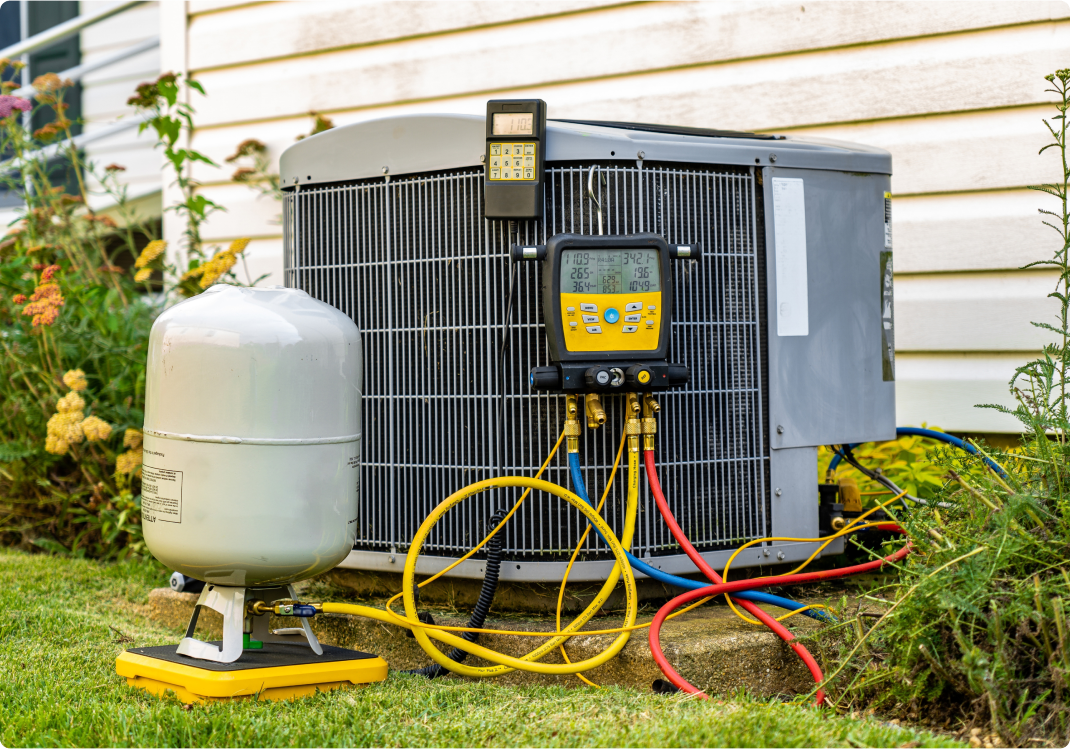
Not all refrigerants are created equal, and they aren’t always interchangeable. R-32 and R-454B operate at different pressures compared to R-22 and 410A, meaning air conditioning units must be specifically designed to use these refrigerants. The refrigerants have very different heat-transfer properties and use chemically incompatible lubricating oils, so they aren’t interchangeable and can’t be mixed.
Transitioning one unit to the next could require replacing the compressor, evaporator and condenser, along with potentially replacing their copper lines. And the “retrofitted” unit must be completely void of any water vapors before charging it with the new R-410A. Basically, if any part of the transition is not done properly, you’ll have a unit on your hands that quickly fails.
2. Upgrading your AC unit
Because retrofitting is so complex, in many cases, a total system replacement is your best bet. If your current unit is already at least 10 years old and you’ve been consistently experiencing cooling issues and higher energy bills, consider switching to a modern AC unit. New units designed for R-32 or R-454B are built to handle these refrigerants efficiently, offering superior cooling and energy savings.
3. Cost considerations
Switching to a whole new unit that handles alternative refrigerants can be a large upfront investment, but the long-term benefits often outweigh these initial expenses. Improved energy efficiency means lower utility bills over time, making the investment in a new system a financially sound decision. Plus, when you choose American Home Shield® you’ll enjoy a HVAC system program that slashes thousands off retail prices for a new HVAC system and keeps your savings and stress-free maintenance rolling for years to come
Don't worry, be warranty
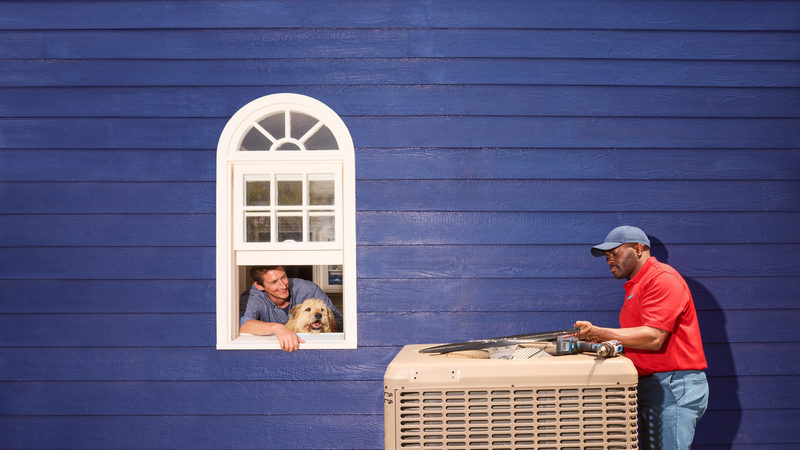
With air conditioner warranty coverage, you will have peace of mind that your covered AC issues will be repaired, All American Home Shield plans include coverage for your AC and heating systems.
AHS assumes no responsibility, and specifically disclaims all liability, for your use of any and all information contained herein.